Configurator cost for equestrian and livestock buildings: cost drivers, worked examples, buying questions
What makes a configurator for field shelters, stall fronts or mobile hen houses cost more, three worked examples over three years, buying questions.
Short answer: for equestrian and livestock products, three things drive the effort of a configurator most: whether the building is generated from modules or fixed models are shown, how many checks are calculated against the field, the barn or the flock, and how many figures come from outside and have to be maintained. Our packages and starting prices are explained in what a 3D configurator costs. Here we work through three examples from this sector over three years.
This guide is for owners and buyers at manufacturers of field shelters and stable blocks, stall fronts and barn equipment, and mobile poultry houses. It uses our three example configurators, each with a fictional product and example values: the field shelter and stable configurator, the horse stall fronts configurator and the mobile hen house configurator. All prices are in EUR, excluding VAT.

What drives the cost in this sector?
The general cost factors apply here too. Seven of them weigh more heavily for these products, each shown with an example from the demos:
| Cost driver | Example | Why it takes effort |
|---|---|---|
| Buildings from modules rather than fixed models | Field shelter: bays added, L-shape, tack room in changing positions | Geometry, roof and checks must work for every layout |
| Constructions with their own rules | Field shelter static or mobile; stall fronts with sliding or hinged doors | Each construction rules out different layouts or options |
| Checks against the surroundings | Paddock, aisle, transport width | Each check needs a rule, a display in the model, a text and test cases |
| Figures tied to regulation | Hen house capacity per production system | Figures need a source, approval and upkeep when rules change |
| Animation | Stall door and feeder; moving the house to fresh pasture | Movement must fit every configuration |
| Units and languages | English or German controls; unit systems per market | Touches inputs, checks, enquiry text and PDF |
| Personalisation | Farm name on the side wall | Text is simple; an uploaded logo needs file, size and data-protection checks |
One factor reduces cost: approved documents. When stall sizes, maximum bay counts, option mappings and capacities already exist as a table, nobody has to reconstruct them together.
Three worked examples over three years
The examples are assumptions that show the order of magnitude over the term. Which level your scope needs is set in the fixed-price quote, and the fixed price can be above the starting price. For Configurator and Complete the monthly fee is required and runs for at least 12 months from go-live.
Example 1: stall fronts, one series first
A stall front maker starts with its best-selling series: door types, stall sizes, infills, colours, the aisle check and the enquiry. The assumption is the Configurator level, from EUR 5,400 one-time plus EUR 199 a month.
- First year: EUR 5,400 + 12 × EUR 199 = EUR 7,788
- Three years: EUR 5,400 + 36 × EUR 199 = EUR 12,564
Further series follow later; their scope is quoted then.
Example 2: field shelters, static and mobile
A stable builder wants static and mobile shelters, L-shapes, tack rooms, the paddock fit check and its own planning note. The assumption is the Complete level, from EUR 8,880 one-time plus EUR 249 a month.
- First year: EUR 8,880 + 12 × EUR 249 = EUR 11,868
- Three years: EUR 8,880 + 36 × EUR 249 = EUR 17,844
Example 3: mobile hen houses, show first, configure later
A manufacturer wants to show two models in 3D on its website first and add configuration later. Package A, from EUR 1,990 one-time for up to two models, covers the first step; hosting by us is optional at EUR 19 a month.
- Package A with hosting, three years: EUR 1,990 + 36 × EUR 19 = EUR 2,674
- Alternatively a pilot for EUR 2,900: if the configurator is ordered within 60 days after it, the full EUR 2,900 is credited. At the Configurator level, EUR 2,500 one-time plus EUR 199 a month then remains.
The pilot does not change the total if you order in time, but it spreads the risk: you see with your own models and figures whether farms and your sales team use the configurator before you commit to the full scope.
What effort is on your side?
Besides the price there is time on your side, and in this sector it depends on a few people. Someone from sales knows the layouts and conflicts that come up in conversation: which bay count fits which field, which door suits which aisle, what equipment farms ask for. Someone from product management or engineering approves sizes, limits and option mappings. And where figures depend on regulation, someone confirms source and status. Allow a few meetings for agreeing scope, approving tables and reviewing via the private link; a dealer or barn builder who will receive enquiries should look at it at least once.
How do you trim the scope?
A sensible approach is to start with the product that causes the most follow-up questions today, and build in only the checks your sales team really needs before a quote. Three lean starts:
- Field shelters: static buildings in a straight run with a tack room first; L-shapes and mobile units in a second stage.
- Stall fronts: one series with both door types and the aisle check; further series and facing rows later.
- Mobile hen houses: models, production system, capacity check and option list; the running-gear check and personalisation later.
Whatever moves to a later stage should still be described in the specification, so that the data structure and the enquiry can take it from the start.
Which questions should your buyer ask?
Alongside the questions you would put to any vendor, this sector has its own:
- Who is responsible for figures with a legal link? Capacities and planning notes come from you. Agree how source and approval are recorded.
- What does a change cost when a rule changes? With us, small changes are part of the monthly maintenance; the scope of larger changes is set in the quote.
- Can sales use it in conversation? In a browser on a tablet, yes; offline use is not standard and is settled in the project.
- How do enquiries reach dealers or builders? Email or webhook is standard; routing by territory or a CRM hand-over is assessed per project. See enquiries for equestrian and livestock buildings.
- Which markets, units and languages? Each extra language or unit touches the interface, the enquiry and the PDF.
- Should a price appear? None of the three demos shows a price. If you want to show yours, we set up your pricing rules in the project.
Template software or a custom build?
Template configurator software can fit when your product consists of fixed models with colours and options. For the questions in this sector it is worth looking closely: can the template generate a building from bays with an L-shape, check a hinged door's reach against an aisle, or link capacity per production system to a model suggestion? If not, a custom build remains. How the technical side is handled is covered in building a configurator for equestrian and livestock products.
Next step
Tell us which product you want to start with and what your sales team asks first. For hiring us, see custom 3D configurator development.
Frequently asked questions
We make field shelters and stall fronts. Do we need two configurators?
As a rule, yes, because inputs, checks and enquiries differ: the shelter stands in a field, the stall fronts in a barn. Which level two products need together is set in the fixed-price quote.
Is a configurator eligible for grants?
We make no statement on that. Ask the relevant funding bodies.
Is VAT included?
No. All prices exclude VAT.
Sources
- Prices and package contents: Modelwright, guide "How much does a custom 3D product configurator cost?" (read 14 November 2026): /en/guides/3d-configurator-cost/
- Demo features: library pages, "Live in this demo" lists (read 14 November 2026)
Read next
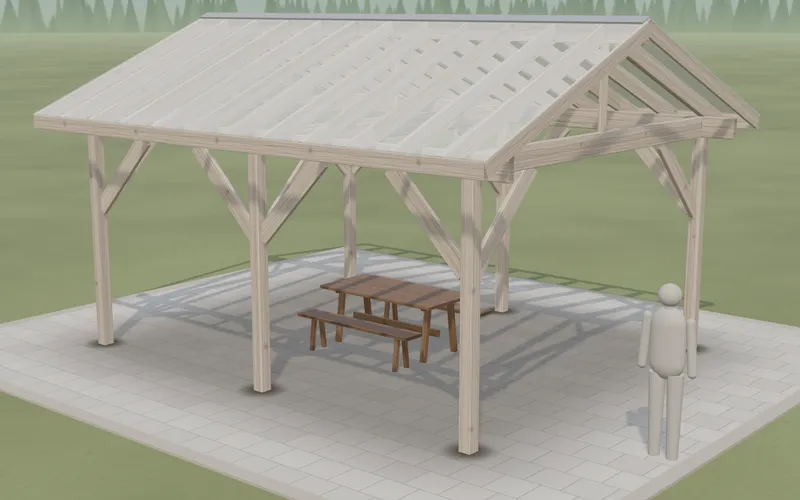
Configurators for halls, pavilions and modular buildings: scope, cost drivers and worked examples
What drives the cost of a configurator for steel halls, pavilions, guard booths, restroom blocks and site cabins, with year-one and three-year examples.
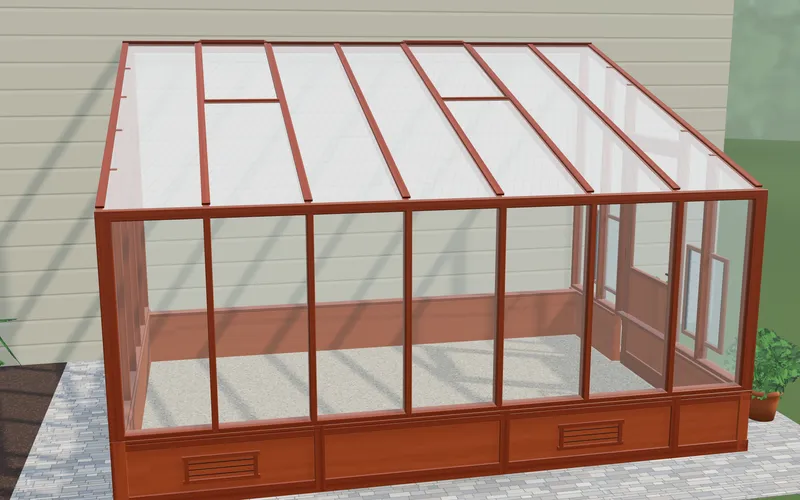
Configurator cost for garden buildings, glamping and saunas: cost drivers, worked examples, buying questions
What makes a configurator for garden buildings, glamping structures or saunas cost more, three worked examples over three years, and buying questions.
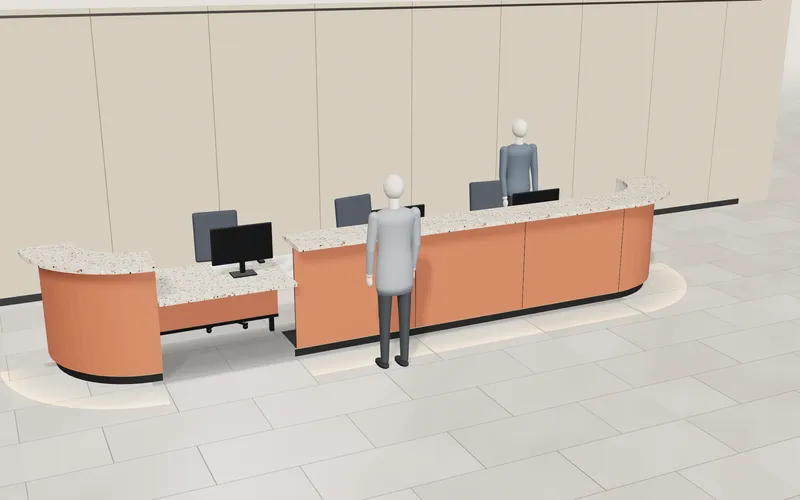
Furniture configurator cost: cost drivers, worked examples and buying questions
What makes a configurator for furniture, kitchens and contract or hospitality interiors cost more, three worked examples over three years, buying tips.