Pavilion and gazebo configurator software for timber structure manufacturers
What a 3D configurator needs for timber pavilion and gazebo makers selling to hospitality, councils and event sites: series, size table, details, prices.
Short answer: a 3D configurator pays off for a timber pavilion or gazebo maker when it turns a catalogue of series, sizes and details into a path a buyer can follow without knowing your range, ending at a structure you actually make, with the price for that size visible on the way. For commercial and public buyers there is a second job: the enquiry has to travel inside their organisation, with a picture, the size, the timber and whether it arrives as a kit or installed.
This guide is for owners, sales and marketing leads at makers of timber pavilions, gazebos, shelters and timber-frame kits. The focus here is not the private garden but buyers with a brief: a parks department planning a shelter for a park or school ground, a pub, beer garden or hotel that needs covered outdoor seating, a campsite, a visitor attraction or an event operator who wants a permanent meeting point on site. For sheds, garden rooms, carports and pergolas, see our guide to configurator software for sheds, carports and pergolas.

What makes pavilions different?
- The range comes in series. Each series has its style, timber sections and price level. Buyers compare series before they compare sizes.
- Sizes come from a table. Pavilions are offered in fixed footprints. In-between sizes are bespoke or not available.
- Details shape the look. Roof form, knee braces, privacy slats or a cupola change the impression more than an extra half metre of length.
- Kit or installed is a basic choice. A council works team may assemble a kit itself; a pub usually will not. Price and lead time follow from that.
- Price is part of the choice. Anyone comparing series is also comparing price levels. Without a price per size, the first question back is almost always about price.
Which capabilities matter?
| Capability | Why | In the example configurator |
|---|---|---|
| Series with a price per size | settle style and budget first | yes, seven sample series with fictional prices |
| Size from the size table | only footprints you make | yes, drag the footprint corner or type sizes (ft/mm) |
| Roof form | look and fit with the setting | yes, gable or hip |
| Details and accessories | specification | yes, knee braces (4 styles), power post, privacy slats, cupola |
| Wood species, stain, roof covering | material and colour | yes |
| Kit or professional install | delivery form and price | yes |
| Enquiry that can be passed on | internal sign-off | enquiry text with optional name and a one-page PDF |
| Your series, prices and base details | binding basis | no, part of a project |
What does a manufacturer gain?
We do not promise figures. The gain shows in the emails that go back and forth today:
- Fewer "what does the 12 by 16 cost?" emails. The price level for each size is visible before anyone asks.
- Comparable options. A council officer can put two series in the same size side by side as PDFs.
- Fewer requests for sizes you do not make. The size table only allows footprints you offer.
- A clear delivery form. Kit or installed is in every enquiry.
What changes when a public body is buying?
Public bodies buy through set procedures they are responsible for. A configurator does not replace those procedures. It helps in the stage before: market research and describing what is needed. A PDF with a view, the size, the timber and the specification would be a usable starting point for that. For you as the maker, an enquiry from a council is often early planning rather than an order, and your sales team should treat it differently from a pub landlord who wants to order next week. A field for the type of buyer in the enquiry makes that distinction possible; it would be an addition in a project.
What else does the 3D model give you?
A pavilion range needs a lot of images: every series in several sizes, timbers and stains, for website, catalogue and tender documents. Photographs only exist of structures that have already been built. From the same 3D model that runs in the configurator, product images can be produced for each variant, including combinations nobody has built yet. That is a separate service we offer in projects; it is not part of the demo.
Try the example
The timber pavilion configurator is a Modelwright example configurator with a fictional product; prices and checks are fictional sample values, not a quote. According to its "Live in this demo" list it offers seven sample series with fictional sample prices by size, a footprint corner you drag through the size table or sizes you type (ft/mm), gable or hip roof, knee braces in four styles, a power post, privacy slats and a cupola, wood species, stain colours and roof covering, kit or professional install, a size-table tour animation, step tabs with sticky navigation, and enquiry text with an optional name plus a one-page PDF [1].

Example configurator · fictional product
Timber pavilion configurator
Put together a timber pavilion: seven series, size by drag handle or input, gable or hip roof, knee braces, privacy slats, wood species and stain – with sample prices and a PDF enquiry.
How series, size table and prices connect is covered in pavilion configurator: series, size table and prices.
How is it built for your range?
We build it with your series, size table, details, timbers and stains, your prices by size and delivery form, and your enquiry route. Photos, brochures and drawings are usually enough; we use CAD data when it is suitable for the web. For the project process, see 3D configurator development; for cost, scope and cost for hall and modular building configurators.
Send us your series and size table – you get a proposal and a fixed-price quote.
Frequently asked questions
Can the configurator state base or footing details?
It can pass base details you define per size into the enquiry as a note. It does not design them; that stays with you as the manufacturer.
Can it run in metres and other languages?
Yes. The demo is in English with ft and mm; in your project we set up the languages and units you need.
Can dealers use it?
Yes, as its own page or embedded in their website. Where the enquiry then goes is your decision.
Sources
- Modelwright library, timber pavilion configurator, "Live in this demo" list, read 14 November 2026: modelwright.de/en/library/timber-pavilion-configurator/
Read next
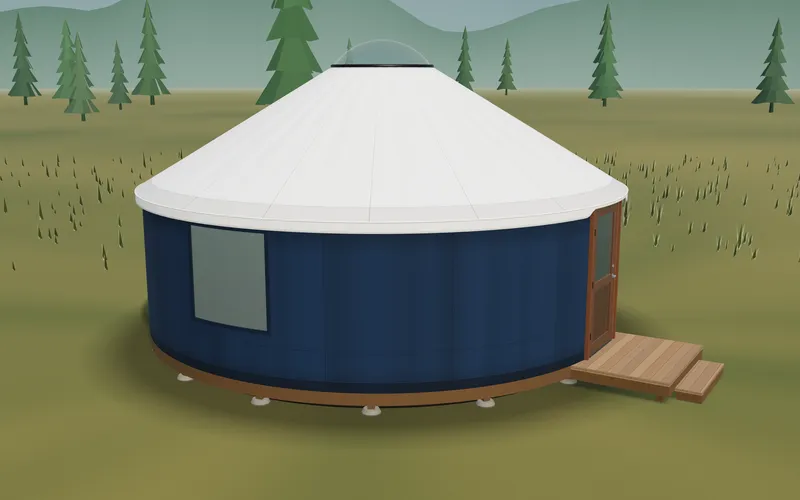
Yurt configurator software for yurt and glamping makers
What a 3D yurt configurator needs: diameter, doors and windows placed around the lattice wall, fabrics, stain, options, a site check and an enquiry.
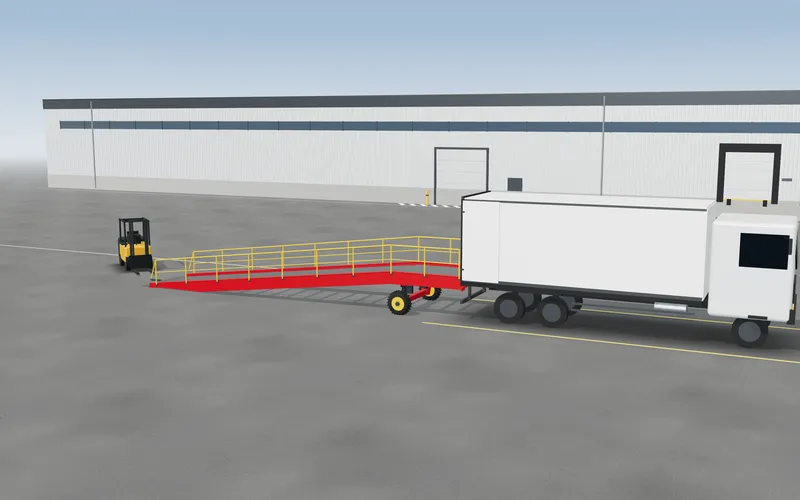
Yard ramp configurator for manufacturers: features, benefits, implementation
What a 3D configurator for mobile yard ramp makers must do: length, bed height, forklift slope, checks, options and an enquiry with a PDF.
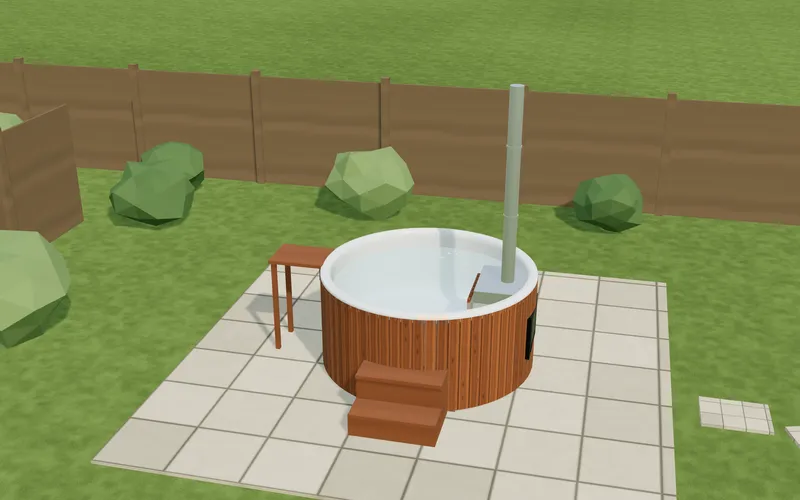
Wood-fired hot tub configurator software for hot tub makers
What a 3D configurator should do for wood-fired hot tub makers: stove type, size, cover, lighting, accessories, a running price and an enquiry.