Personalised products: from configurator to order or dealer enquiry
How configurations with engraving, embroidery, lettering or vehicle fitment reach the shop order, the workshop or the dealer without questions coming back.
Short answer: with personalised products, a configuration ends in one of two places: an order that goes straight into production (an engraved ring, an embroidered cap) or an enquiry to a dealer who advises, checks and sells (wheels, cargo bikes). Either way, more has to travel than a variant: the customer's own text, an approved preview image, and for dealer products the vehicle, the use case and how the buyer wants to be contacted. Settle that before you build, and you avoid questions coming back and pieces made wrong.
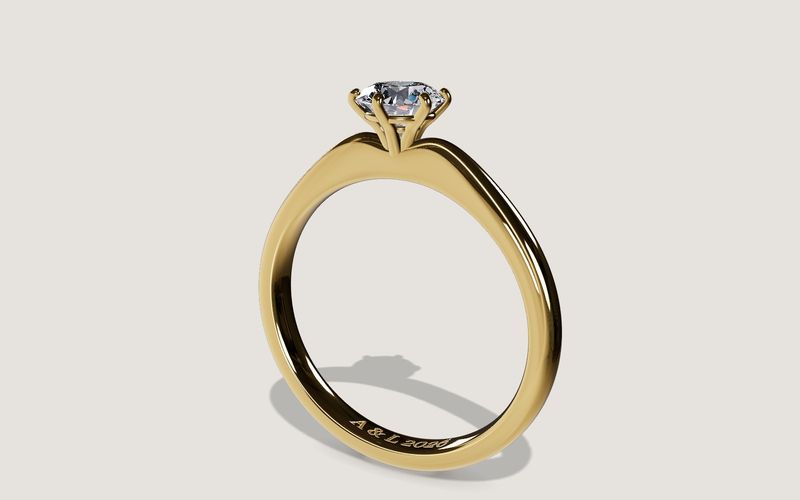
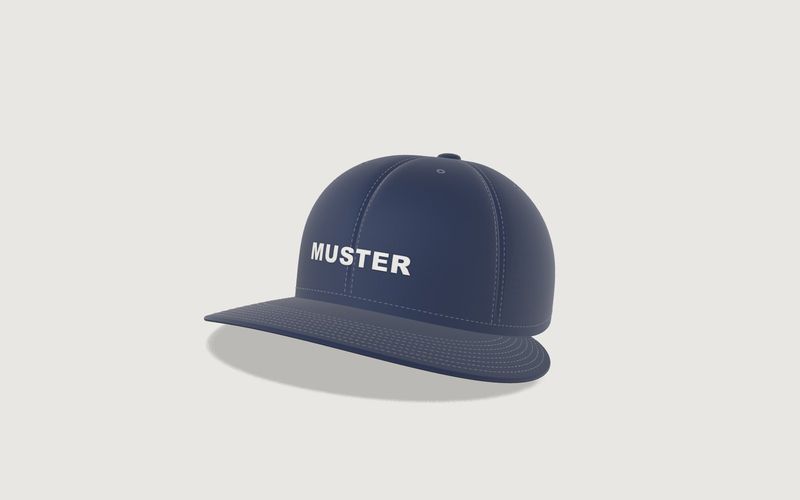
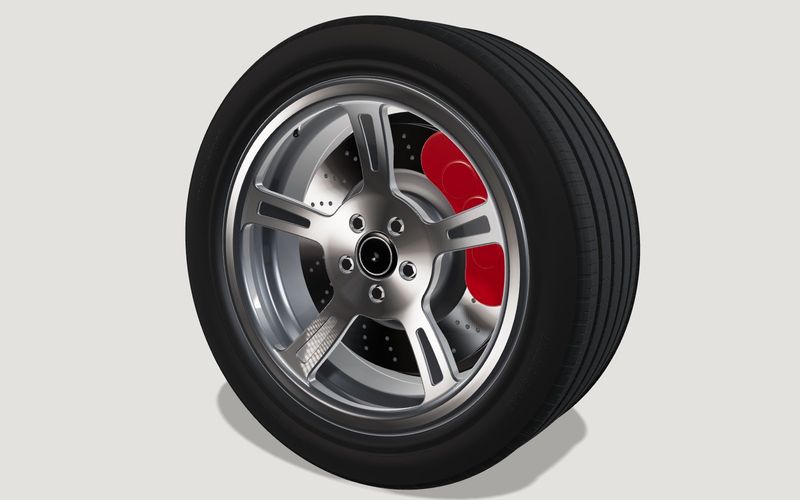
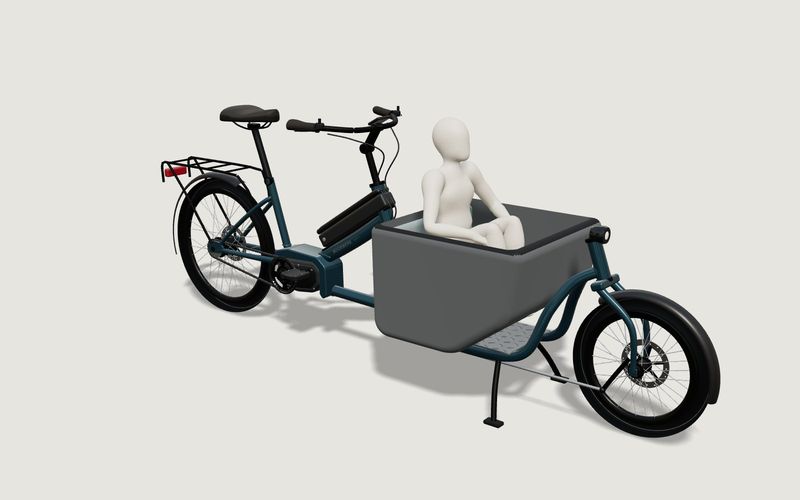
This guide is for sales, e-commerce and operations leads at makers and sellers of personalised products. It draws on four example configurators with fictional products: a solitaire ring, a cap with embroidery, an alloy wheel and a front-loader cargo e-bike. The basket mechanics of a particular shop platform are not repeated here; they depend on the platform and are agreed per project.

Order or enquiry: which path suits which product?
| Product (example) | Typical path | Why |
|---|---|---|
| Engraved ring | Shop order, or a job taken in the store | Price from metal, stone and carat can be expressed as rules; the ring is made after the order |
| Embroidered cap | Single cap: shop. Company order: enquiry with quantity | With logos and quantities, price and feasibility are known only after a check |
| Alloy wheel | Enquiry to a dealer or workshop | Fitment, tyres and fitting are handled by the specialist |
| Cargo bike | Enquiry to a specialist dealer, often with a test ride | High price; size and specification are ridden before buying |
Many sellers need both paths. A cap configurator can have a switch "I am ordering for a company" that opens an enquiry with quantity instead of the basket. A cargo bike configurator can sell accessories directly and hand the bike itself to a dealer.
What must a personalised configuration contain?
A variant code is not enough, because the personal part is not in the variant. A complete handover has five parts:
- The selection: every option in plain words and, where they exist, as part numbers.
- The personal input: engraving, embroidery text or lettering exactly as the customer typed and saw it, including case and special characters.
- A preview image: the picture the customer saw before sending. It is the basis of the sign-off.
- Derived values: what the configurator worked out, such as inner diameter from ring size or frame size from rider height, as a note for production or the dealer.
- Context: quantity, vehicle, use case, preferred date, preferred dealer.
Per product it looks like this. The rows are proposals for a project; the four demos themselves do not produce a summary.
| Product | Personal input | Derived | Context | Recipient |
|---|---|---|---|---|
| Ring | Engraving inside | Inner diameter for the size | Date, collection in store | Workshop |
| Cap | Embroidery text, possibly a logo | Embroidery area, lettering size | Quantity, delivery date | Production or sales |
| Wheel | None (calliper colour is a choice) | Tyre size for the rim size | Vehicle, fitting | Dealer or workshop |
| Cargo bike | Box lettering | Frame size, range as an estimate | Use case, test ride, private or business | Specialist dealer |
How is the personal part signed off?
An engraving with a typo is a problem for everyone involved. Three steps help:
- Limit the input: length, allowed characters and typeface enforced in the configurator. The demos show the simple form: 16 characters for the ring engraving, 12 for the embroidery, 18 for the box lettering.
- Show what will be made: the preview has to show the text as it will be produced, not in a typeface production does not have.
- Ask for confirmation: a "check text and preview" step before sending, with the image from point 3 above. For company orders, a second sign-off can follow after your own check.
Uploaded logos add a check by your team: can it be stitched or printed well, and may the customer use that logo? The configurator can take the upload and show the preview; the decision stays with you.
What does personalisation mean for cancellation rights?
UK and German consumer law treat goods made to the buyer's specification differently. In the UK, the Consumer Contracts Regulations 2013 exclude the cancellation right for "the supply of goods that are made to the consumer's specifications or are clearly personalised" [1]; German law has a comparable exception in § 312g(2) no. 1 BGB [2]. Whether it applies to your product, for example when only an engraving is added or standard parts are combined, is a legal question for your own advisers, and you as the seller are responsible. For the configurator it means one practical thing: the order should record exactly what the customer specified. That is the five parts above.
How does an enquiry reach the right dealer?
With wheels and cargo bikes, the dealer is the real seller. For an enquiry to land there and be acted on, you need:
- Routing: the customer picks a dealer, the enquiry is assigned by postcode, or your sales team forwards it.
- Qualifying details: private or business, quantity, timeframe, test ride wanted. They let the dealer judge the enquiry without the customer filling in a long form.
- A format the dealer can read: an email with summary and image is the lowest common denominator. A webhook can send the same data to a dealer portal or a CRM.
How a configurator differs from CPQ software and what a complete enquiry gives sales is covered in 3D configurators for manufacturers.
How do you check that the handover works?
We do not promise figures, but you can measure whether the handover improves, using numbers your sales and production teams already know: the share of orders or enquiries that still needed a follow-up question, the number of corrections after sign-off (such as changed engraving text), and the share of dealer enquiries the dealer could act on without asking back. In the configurator itself, analytics events can be set up per project, such as "text entered", "preview confirmed" or "enquiry sent", to show where visitors drop out. The typed texts themselves do not belong in the statistics.
What is implemented in the demos, and what is a proposal?
| Function | Status |
|---|---|
| Options and colours in 3D; personal text live on the model (ring, cap, cargo bike) | Implemented in the demos |
| Rules with an explanatory note, range and example price (cargo bike) | Implemented in the demo (example values) |
| Summary, preview image, sign-off step | Proposal for a project |
| Enquiry by email or webhook to sales or a dealer | Set up per project (part of the service) |
| Passing the selection into a Shopify, Shopware or WooCommerce basket | Whether and how is set in the quote |
| Logo upload, dealer routing, CRM or ERP connection | Checked case by case |
How we build configurators with enquiries and shop integration is described in custom 3D configurator development. The technical side of personalised products (text on surfaces, materials, load time) is covered in implementing personalised products in 3D.
Common questions
Can customers share their configuration or continue later?
That can be set up in a project, for example through a link that carries the selection. That helps with company orders that are agreed internally. It is not implemented in our four demos.
Should a configurator for dealer-sold products show a price?
That depends on your pricing policy towards the trade. Options are no price, a recommended retail price or a "from" price. The cargo bike demo shows a fictional example price to demonstrate the mechanics.
Sources
- The Consumer Contracts (Information, Cancellation and Additional Charges) Regulations 2013, regulation 28(1)(b), read 14 November 2026: legislation.gov.uk
- German Civil Code (BGB), § 312g Widerrufsrecht, paragraph 2 no. 1, read 14 November 2026: gesetze-im-internet.de
- Demo features: the library pages for the solitaire ring, cap with embroidery, alloy wheel and cargo bike, and the demo sources /assets/mw3d/demos/ring.js, cap.js, wheel.js, kargo.js (read 14 November 2026)
- Scope of services (enquiries by email or webhook, embedding in website or shop, items not in the standard scope): "Possible in your project" on the library pages (read 14 November 2026)
Examples to try
Own demo · fictional product
Solitaire ring
An engagement ring with setting, stone and engraving, in your choice of metal, stone and size.
Own demo · fictional product
Cap with embroidery
A six-panel cap with your own embroidery: colours, thread, placement and brim shape.
Own demo · fictional product
Alloy wheel
Rim, tyre and brake: switch the design, finish and size, and the tyre adapts.
Own demo · fictional product
Front-loader cargo e-bike
A front-loader e-bike: pick the use case first, then rider size, battery and box – with range, rules and footprint live in 3D.
Read next
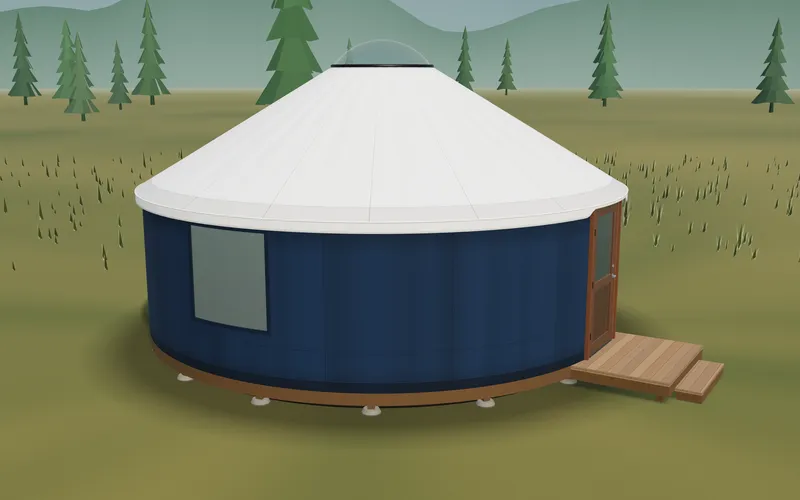
Yurt configurator software for yurt and glamping makers
What a 3D yurt configurator needs: diameter, doors and windows placed around the lattice wall, fabrics, stain, options, a site check and an enquiry.
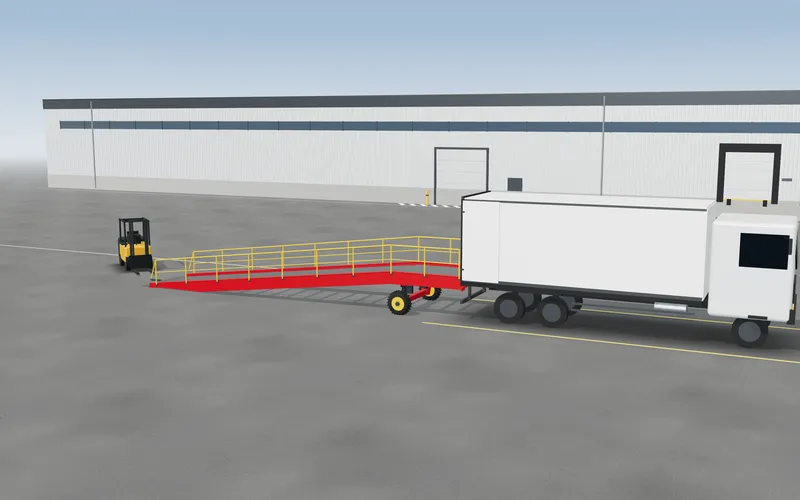
Yard ramp configurator for manufacturers: features, benefits, implementation
What a 3D configurator for mobile yard ramp makers must do: length, bed height, forklift slope, checks, options and an enquiry with a PDF.
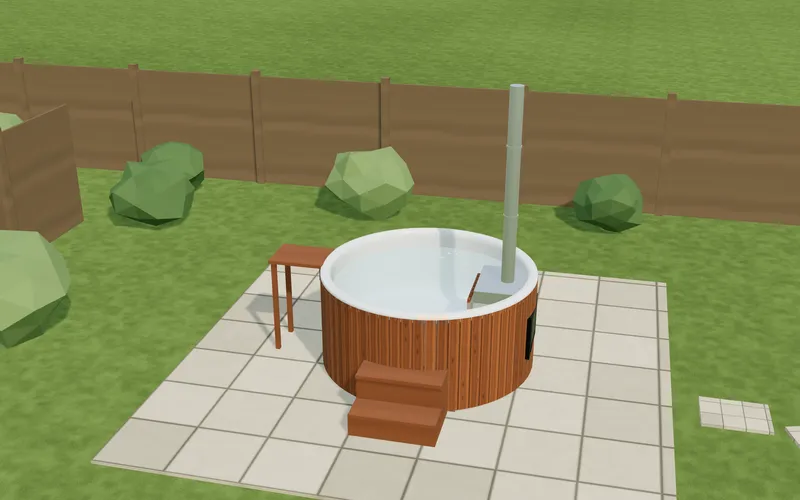
Wood-fired hot tub configurator software for hot tub makers
What a 3D configurator should do for wood-fired hot tub makers: stove type, size, cover, lighting, accessories, a running price and an enquiry.