Guard booth configurator for manufacturers of guard houses, ticket and parking booths
What a 3D configurator needs for makers of guard houses, ticket and parking booths: style, size, windows, equipment, shipping notes and a complete enquiry.
Short answer: a 3D configurator pays off for a maker of guard houses, ticket booths and parking booths when it settles three questions early: which style suits the entrance, how large the booth can be and still ship in one piece, and what the workplace inside needs. The enquiry then reaches your sales team with dimensions, windows, door, equipment and a note on whether the size matches a standard plan.
This guide is for managing directors, sales and product managers at makers of prefabricated booths for entrances and gates: guard houses, security booths, ticket and parking booths, kiosks and small modular rooms. Enquiries come from security and facilities managers at plants and distribution centres, from parking operators, ports, showgrounds and event sites, and often from contractors ordering the booth as part of a new entrance.
These buyers think from the workplace outwards: who sits inside, what do they need to see, what equipment do they use, and how does the booth get to its place?

What makes a guard booth different from other buildings?
- Sightlines are a core requirement. Window positions, glazed corners and the door location decide whether the lane and barrier are in view.
- The booth is a workplace. A cashier or transaction window, air conditioning, lighting and room for equipment belong to the basic specification, not to the extras.
- Shipping limits the size. If a prefabricated booth is delivered and set in one piece, transport gets harder above a certain size.
- Standard plans save time. If there are finished drawings for certain sizes, any other size means more engineering.
- The foundation is a site matter. The booth needs a prepared base, which the manufacturer does not necessarily build.
Which capabilities matter?
| Capability | Why | In the example configurator |
|---|---|---|
| Styles to choose from | appearance and sightlines | yes, three styles: straight, glass corners, hip roof |
| Length and width in fixed steps | footprint on site | yes, in 1 ft steps by drag handle, fields or steppers |
| Roof type | look and fit with the site | yes |
| Door type and position | access to the lane | yes |
| Cashier window, A/C, lights | equip the workplace | yes |
| Wall finish, colours, glazing | match the site's look | yes, with sample colours |
| Standard plan note | show engineering effort early | yes |
| Foundation and shipping notes | prepare the site | yes, as simplified sample values |
| Unit toggle | imperial and metric drawings | yes, ft/in and mm |
| Enquiry | sales prepares a quote | copy the enquiry text, download a PDF |
What does a manufacturer gain?
We do not promise figures. The gain shows in enquiries that are incomplete today:
- The equipment is decided. Cashier window, A/C and lights are chosen, not left for a follow-up email.
- Custom engineering is visible. The standard plan note tells you and the buyer whether the size means extra work.
- The site gets prepared. Foundation and shipping notes reach the buyer before a delivery date is set.
- Everyone sees the same booth. Security, site management and the projects team look at one picture.
Why appearance matters
A guard house is the first building visitors, hauliers and job applicants see at a site. For plants and distribution centres with set colours and cladding, appearance is not a side issue. A configurator that shows wall finish, colours, roof type and glazing on the model answers "does this fit our site?" before a drawing exists. Operators with several sites can fix one specification for every entrance and send the same PDF to each location.
For you as the maker there is a practical effect: colour requests arrive as a choice from your palette, not as "in our corporate colours, please". Whether you allow special colours is your decision; such a request can be noted separately in the enquiry.
How does the enquiry reach you?
When a guard booth is bought as part of a larger scheme, such as a new site entrance or a car park, the person asking is not always the user: an architect or contractor enquires on someone's behalf. Knowing the project and the enquirer's role helps your sales team place the enquiry. Which fields are mandatory for that is set with your sales team in the project. How enquiries are routed across this product group is covered in enquiries from hall and modular building configurators.
Try the example
The guard booth configurator is a Modelwright example configurator with a fictional product. According to its "Live in this demo" list it offers three styles (straight, glass corners, hip roof), length and width in 1 ft steps by drag handle, fields or steppers, roof types, door type and position, cashier window, A/C and lights, wall finish, sample paint and roof colours and glazing, a note when the size matches a standard plan, foundation and shipping checks, an ft/in and mm toggle, and enquiry text to copy plus a PDF [1]. The foundation and shipping checks are labelled there as simplified sample values, "not a structural design and not a quote".

Example configurator · fictional product
Guard booth configurator
Plan a guard or ticket booth: three styles, length and width, roof, door, cashier window and equipment, colours and glazing – with foundation and shipping checks and a PDF enquiry.
How standard plans, shipping and foundation notes work as rules is covered in guard booth configurator: standard plans and shipping checks.
How is it built for your range?
We build it with your styles, size grids and standard plans, your window, door and equipment options, your finishes and colours, your shipping and foundation notes and your enquiry route. Photos, drawings and size tables are usually enough; we use CAD data when it is suitable for the web. For the project process, see 3D configurator development; for prices, what a 3D configurator costs.
Send us your styles and standard plans – you get a proposal and a fixed-price quote.
Frequently asked questions
Does the configurator make security or protection claims?
No. It shows the specification you offer. Properties such as bullet or forced-entry resistance are backed by your own evidence as the manufacturer; the configurator can only list such an option if you offer it.
Does it work in metric?
Yes. The demo switches between ft/in and mm; in your project you set the grid and the default unit.
Can an architect use it?
Yes, in the browser without signing in. The PDF works as a basis for coordination on the project.
Sources
- Modelwright library, guard booth configurator, "Live in this demo" list, read 14 November 2026: modelwright.de/en/library/guard-booth-configurator/
Read next
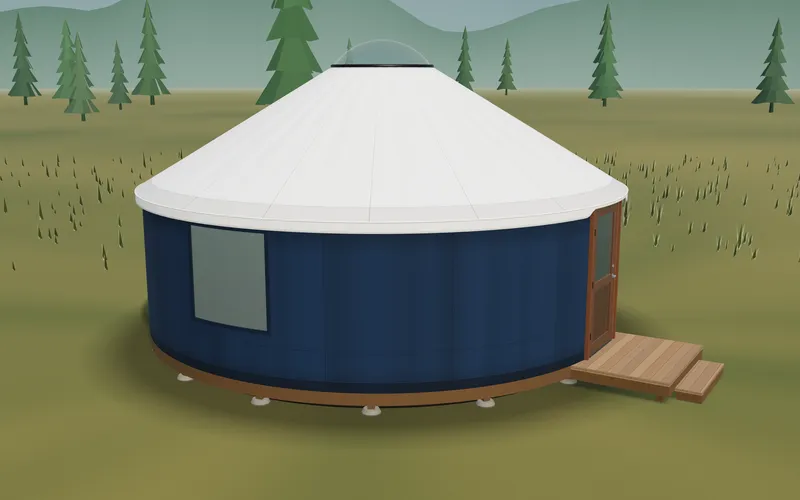
Yurt configurator software for yurt and glamping makers
What a 3D yurt configurator needs: diameter, doors and windows placed around the lattice wall, fabrics, stain, options, a site check and an enquiry.
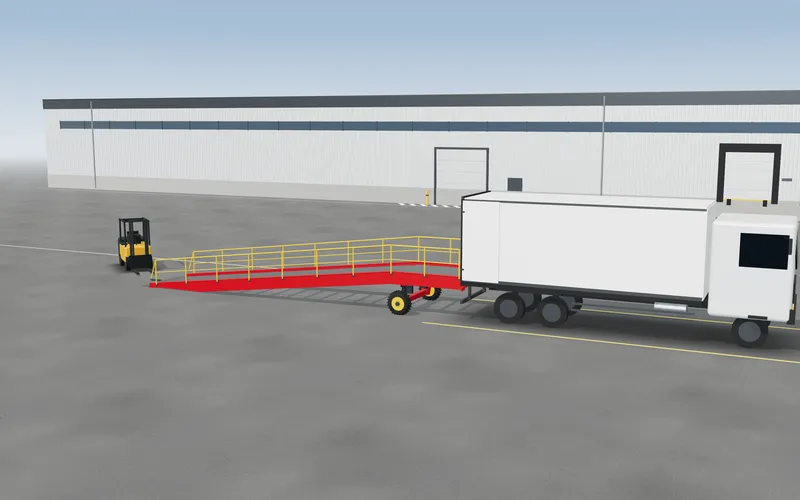
Yard ramp configurator for manufacturers: features, benefits, implementation
What a 3D configurator for mobile yard ramp makers must do: length, bed height, forklift slope, checks, options and an enquiry with a PDF.
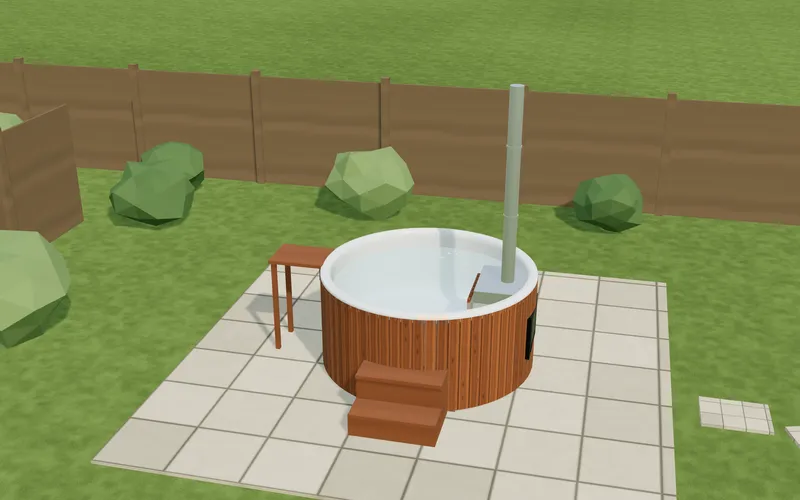
Wood-fired hot tub configurator software for hot tub makers
What a 3D configurator should do for wood-fired hot tub makers: stove type, size, cover, lighting, accessories, a running price and an enquiry.