Spur gearbox in 3D: what gearbox makers gain in sales and training
How spur gearbox makers use an interactive 3D model: show gearing, ratio, bearings and seals, train service staff and prepare enquiries.
Short answer: an interactive 3D model pays off for spur gearbox makers when it explains what a data sheet cannot: how pinion and gear mesh, what speed reaches the output, where bearings, seals and circlips sit, and in which order the unit comes apart. For sales, trade fairs and service training it is an explainer. It becomes a selection or variant configurator only once you add frame sizes, ratios and mounting positions as rules.

Who is this for?
This guide is for managing directors, product managers, technical writers and training leads at makers of industrial gear units and geared motors, and at power transmission distributors who have to explain gearboxes. Their audience is the design engineer who selects a gearbox, the maintenance technician who services it and the buyer who compares quotes.
Spur gears are the simplest type of gear: teeth project radially, and they mesh correctly only on parallel shafts [2]. Because the principle is simple, the details decide: tooth form, bearings, sealing and housing.
Why is a gearbox a special case for 3D?
- What matters is inside. From outside, a gearbox is a housing with two shafts. What it can do sits in the gearing and the bearings.
- The function is motion. A ratio is understood when you see the large gear turn slower than the small one, not from a formula.
- Service needs a sequence. Whoever changes a bearing needs to know what comes out first.
- Design data is sensitive. A model for the website should explain without giving away manufacturing detail.
A photo shows the housing; a section drawing shows one moment. A model in which the cover turns see-through, the drive runs and the unit opens in assembly order shows build and function together.
Where do gearbox makers use such a model?
| Use | Who looks | What the model must do |
|---|---|---|
| Product page | Design engineer, buyer | Make build and function clear quickly |
| Trade fair and sales visit | Prospects, sales engineer | Show a gearbox that does not fit on the table or should not be opened |
| Service training | Fitters, the buyer's maintenance staff | Name parts, show the order of disassembly |
| Technical documentation | Operators | Make components easy to find, such as the breather and the oil sight glass |
A 3D view replaces neither the operating manual nor the spare parts list; it complements both.
Explainer or configurator?
This distinction matters because it sets the effort:
- Explainer: one gearbox, several views, a running drive, notes on parts. This is what our example shows.
- Selection configurator: frame size, ratio, mounting position, shaft and flange variants are chosen, invalid combinations are blocked, and the result is a type code and an enquiry. That is a project built on your selection data and is not part of the demo.
One possible route: start with an explainer for one series and then decide whether selection logic is worth it.
What do you gain?
We do not promise figures. The gains are in explaining that happens in meetings or on the phone today:
- Less explaining in the first call. The design engineer has already seen the build and the ratio.
- Training without opening a gearbox. Fitters see the sequence before they pick up a tool.
- One model for several departments. Sales, service and documentation use the same geometry.
What should you settle before the project?
- Which series first? We suggest the one that has to be explained most often, not necessarily the newest.
- Who is the audience? Design engineers care about ratio and interfaces, fitters about sequence and part names. One model can serve both, but the start view should choose one audience.
- Which figures may be shown? Whatever appears on the website is a statement by your company. Whoever signs off the data sheet today should sign it off.
- Where will it run? Product page, dealer portal, trade-fair tablet or classroom: this sets loading time, language and controls.
Try the example
The spur gear reducer in our library is an example configurator with a fictional product and example values, built by Modelwright. Ratings and designations are example values, not a design calculation and not a data sheet [1]. Live in the demo: involute gearing 12 : 36, i.e. a 3 : 1 ratio; closed, see-through cover and exploded in assembly order; bearings, seals, circlips and bolts; drive on and off with an adjustable input speed from which the output speed is shown, in 1 : 30 slow motion; and five notes on the parts [1].
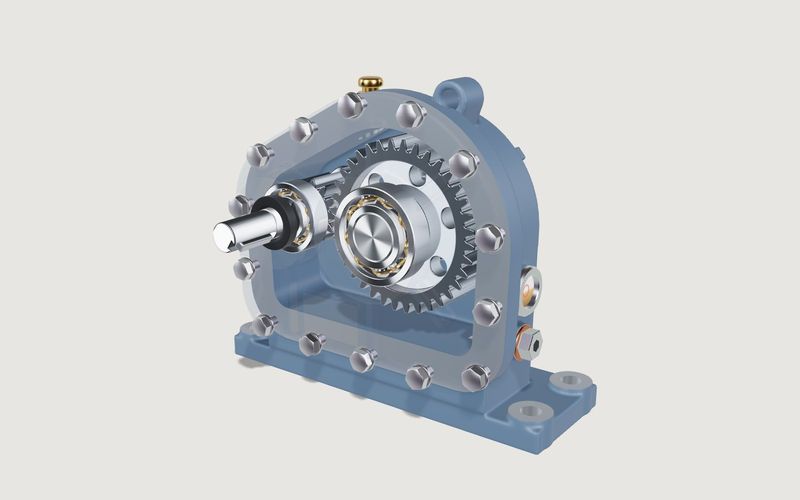
Own demo · fictional product
Spur gear reducer
A textbook gearbox for sales and training: see-through cover, exploded view, running drive with ratio.
How assembly order, notes and drive are built in the model is explained in gearbox exploded view: assembly order, notes and ratio. Planetary gearheads have their own example and guide: planetary gearbox in 3D.
How would it be built for your gearbox?
We build the model from your documents: drawings and photos are enough for many explainers, and CAD data is used when it suits the web. A simplified model without tolerances or manufacturing detail is derived from the design. You decide which parts are named, which notes appear and which figures are visible. For several series, shared components are built once. The project process is on 3D configurator development; how a view leads to an enquiry is covered in enquiries from machinery and loading equipment configurators, and other uses in manufacturing in 3D configurators for manufacturers.
Frequently asked questions
Are the figures in the demo real gearbox data?
No. It is a fictional gearbox; ratings and designations are example values, not a design calculation and not a data sheet.
Does a model like this give away our design?
Only as much as you release. A simplified model is enough for the website; tolerances and manufacturing detail stay in your design files.
Can buyers select a gearbox with it?
Not in the demo. Selection by frame size, ratio and mounting position is a separate project built on your data and rules.
Sources
- Modelwright library: spur gear reducer, "Live in this demo" list and example-value note, read 14 November 2026: modelwright.de/en/library/gearbox-exploded-view/
- Wikipedia: Spur gear, introduction, read 14 November 2026: en.wikipedia.org/wiki/Spur_gear
Examples to try
Own demo · fictional product
Spur gear reducer
A textbook gearbox for sales and training: see-through cover, exploded view, running drive with ratio.
Read next
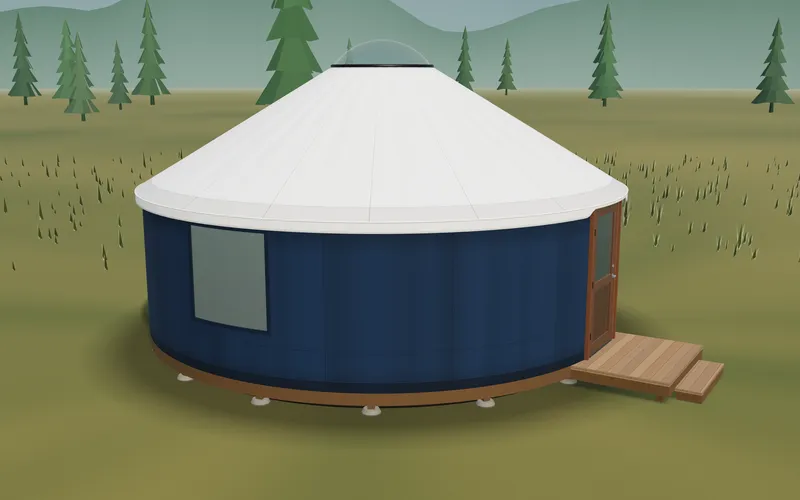
Yurt configurator software for yurt and glamping makers
What a 3D yurt configurator needs: diameter, doors and windows placed around the lattice wall, fabrics, stain, options, a site check and an enquiry.
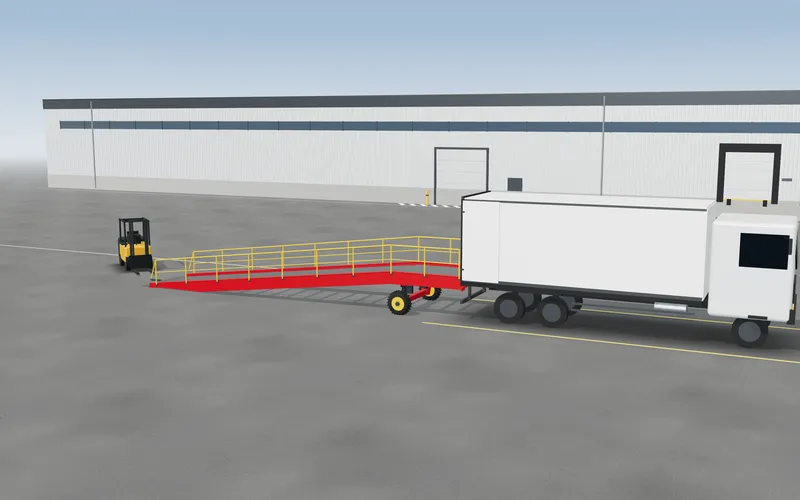
Yard ramp configurator for manufacturers: features, benefits, implementation
What a 3D configurator for mobile yard ramp makers must do: length, bed height, forklift slope, checks, options and an enquiry with a PDF.
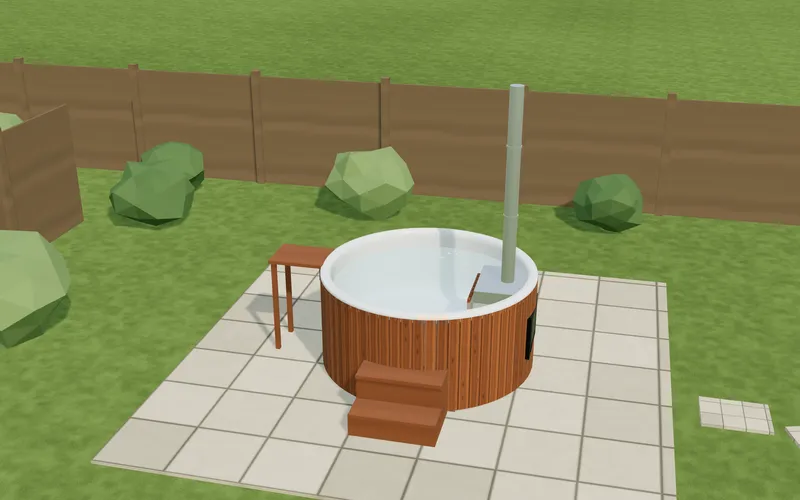
Wood-fired hot tub configurator software for hot tub makers
What a 3D configurator should do for wood-fired hot tub makers: stove type, size, cover, lighting, accessories, a running price and an enquiry.