Cargo bike configurator for manufacturers and dealers: features, benefits, implementation
What a 3D cargo bike configurator does for cargo and e-bike makers and specialist dealers: use case first, rider fit, batteries, rules and the dealer handover.
Short answer: a 3D cargo bike configurator suits makers whose bikes come in many specifications: frame lengths, boxes, batteries, motors, accessories. It takes buyers from their use case (children, shopping, business) to a sensible specification, explains why some combinations are not possible, and passes a complete configuration to the dealer. Many buyers will still buy from a dealer after a test ride; the configurator prepares that visit.
This guide is for managing directors, product managers and sales leads at cargo bike and e-bike makers, at specialist dealer chains, and at companies that sell or rent cargo bikes to businesses. The rules in detail (battery, motor, frame, payload and range) are covered in cargo bike configurator rules.

What makes cargo bikes different?
- The use case defines the bike. A family with two children needs a different box, different accessories and often a different battery from a delivery business. A configurator that starts with the use case leads more directly to a suitable specification than a plain list of options.
- The specification has dependencies. A second battery needs space, a stronger motor needs a matching battery, a rain cover needs a particular box. Buyers do not know these rules, and dealers explain them again and again.
- Size is an everyday question. Will it fit in the yard, through the gate, round the corner? Length and turning circle matter more than with an ordinary bike.
- Evidence sits with the manufacturer. There is a European standards series for cargo bikes, EN 17860 [1]. Which parts apply to your models and whether they are met is for you as the manufacturer to show. The configurator shows specifications and example values, not test results.
Who uses a cargo bike configurator?
| User | What they need | What the configurator provides |
|---|---|---|
| Family or private buyer | Does it suit the children, my height, my day? | Use case, a rider figure at their height, box and accessories, range as an example |
| Business or fleet customer | Payload, a lockable box, company lettering | Business box, payload, own lettering, footprint |
| Specialist dealer | A prepared configuration for advice and a test ride | A complete specification that, in a project, reaches the dealer as an enquiry |
Which features belong in a cargo bike configurator?
Our example configurator for a front-loader cargo e-bike shows the following. The product is fictional; range, fit and price are simplified example values, not a manufacturer's figures and not an offer.
- Use case first: kids, shopping or business swaps box and accessories and sets a typical payload.
- Rider height: a rider figure takes the height you enter; frame size, saddle height and stem follow from it.
- Compatibility rules explained in place: rain cover, dual battery and motor are checked; when a rule changes something, a sentence on the model says what and why.
- Range: a band from battery, payload and assist level; on a battery change, the pack slides out of its rail.
- Footprint and turning circle drawn on the ground, with the steering at full lock.
- Paint, decals and your own lettering on the box.
- An example price added up from the chosen parts.
Example configurator · fictional product: Front-loader cargo e-bike. Pick a use case, set the rider height, swap the battery and show the footprint and turning circle.
What the demo does not include: a dealer finder, test ride booking, a summary to send, or an enquiry. Those exits are set up per project to match your sales route.
What does a cargo bike configurator bring?
We do not promise figures. In concrete terms:
- Prepared visits: customers arrive at the shop with a specification your rules allow.
- Rules explained once: why the dual battery needs the long frame is said in the configurator, not in ten dealer conversations.
- Business buyers addressed directly: box with company name, payload and footprint are the questions fleet customers ask.
- Images from the model: every specification as a product image, without a photo shoot.
How does the configurator fit the dealer network?
Cargo bikes are rarely sold only online. A configurator should therefore lead to the dealer, not around them: the configuration goes to the chosen dealer, or to your sales team who pass it on. What data that needs and how dealers receive it is covered in personalised products: from configurator to order.
How does a project run?
- Scope: models, frames, boxes, batteries, motors, accessories and the rules between them.
- Data: CAD data of frame and parts, or drawings and photos; your range and sizing tables. See CAD to a web 3D configurator.
- Model and rules: frame per length, parts, rider figure, rules and calculated values from your tables.
- Review: you and selected dealers test via a private link.
- Go live: as its own page or in your website or shop; enquiries by email or webhook.
How we build configurators in general is described in custom 3D configurator development, and what drives the cost in what a 3D configurator costs.
Common questions
Can the configurator use our own range figures?
Yes. The demo uses a simplified example formula. For your product we use your figures or your table and label them the way you specify.
Does this work for long-johns, trikes or trailers?
Yes. The build and the rules change; the principle stays: use case, specification, rules, handover to the trade.
Sources
- DIN Media: DIN EN 17860-2:2026-10, Carrier cycles – Part 2: Lightweight single track carrier cycles – Mechanical aspects, read 14 November 2026: dinmedia.de; the replaced 2025-06 edition names the other parts of the EN 17860 series: dinmedia.de
- Demo features: the "Live in this demo" list and the note on example values on the cargo bike library page; demo source /assets/mw3d/demos/kargo.js (read 14 November 2026)
Examples to try
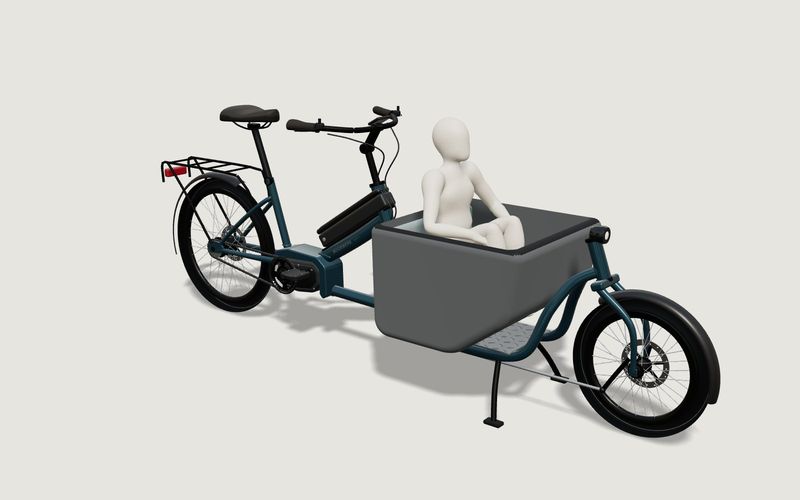
Own demo · fictional product
Front-loader cargo e-bike
A front-loader e-bike: pick the use case first, then rider size, battery and box – with range, rules and footprint live in 3D.
Read next
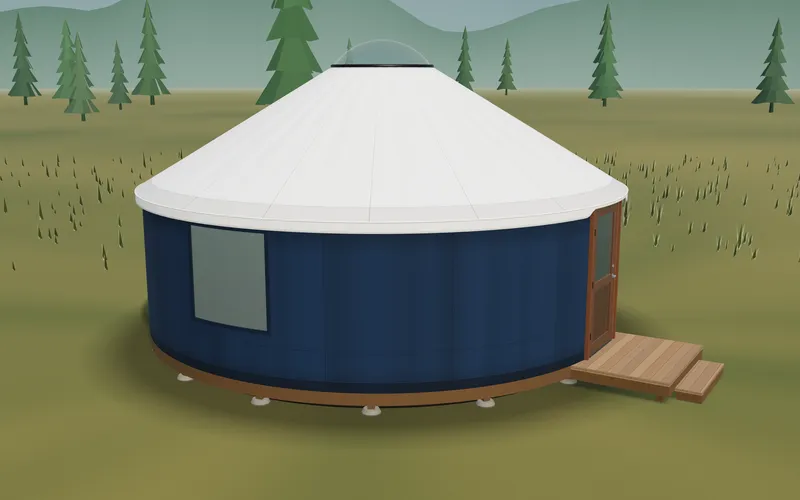
Yurt configurator software for yurt and glamping makers
What a 3D yurt configurator needs: diameter, doors and windows placed around the lattice wall, fabrics, stain, options, a site check and an enquiry.
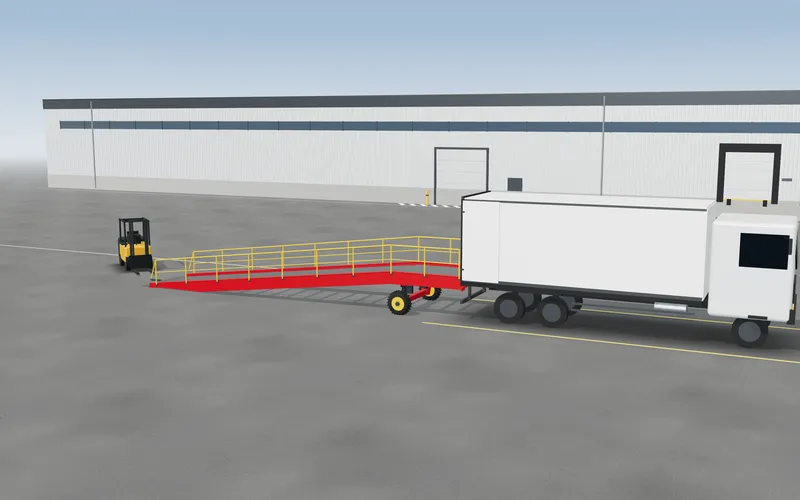
Yard ramp configurator for manufacturers: features, benefits, implementation
What a 3D configurator for mobile yard ramp makers must do: length, bed height, forklift slope, checks, options and an enquiry with a PDF.
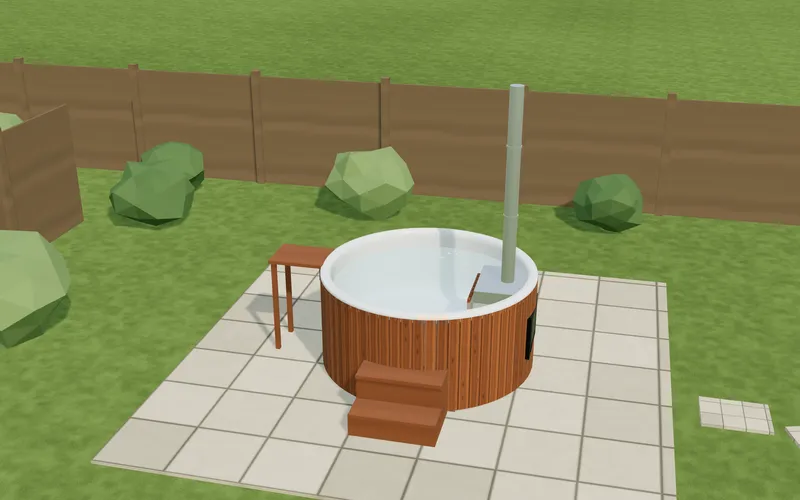
Wood-fired hot tub configurator software for hot tub makers
What a 3D configurator should do for wood-fired hot tub makers: stove type, size, cover, lighting, accessories, a running price and an enquiry.