Cargo bike configurator rules: battery, motor, frame, payload and range
The rules a cargo bike configurator needs: use case, rider fit, dual battery and frame, motor and battery, payload limits, range, footprint and turning circle.
Short answer: a cargo bike configurator needs four groups of rules. Use-case rules (the use case picks box, accessories and a typical payload), fit rules (rider height gives frame size, saddle height and stem), compatibility rules (battery, motor, frame, rain cover) and calculation rules (range, footprint, turning circle, price). Our example configurator implements all four with simplified example values for a fictional brand.

Why start with the use case?
The first step in the example is the question of what the bike is for. Each answer sets several values at once:
| Use case | Box | Payload (starting value) | Note |
|---|---|---|---|
| Kids | Kids' box with bench and harnesses | 18 kg | Rain cover possible |
| Shopping | Flat bed with crate | 22 kg | – |
| Business | Lockable box with hinged lid | 45 kg | The lid opens; the sides carry the lettering |
The advantage: buyers do not have to know which box suits them. They answer a question they understand and refine the details afterwards.
How does rider height become a frame size?
The rider height slider runs from 150 to 200 cm. The demo uses a simple example rule: below 178 cm frame size M, from 178 cm L. Saddle height is estimated from body height (175 cm gives about 73 cm), and the stem is set so the grips suit the rider figure, which sits visibly on the bike. When the frame size changes, a note says so: "Recommended frame size: L".
Your sizing tables replace this example rule. The key decision is whether the configurator recommends a size or sets it. A recommendation with a reason is usually better, because the dealer has the last word at the test ride.
Which compatibility rules are there, and how are they explained?
The demo has five rules. Each one changes a value and also says on the model what it changed and why:
| Trigger | Rule | Note on the model (shortened) |
|---|---|---|
| Dual battery on the short frame | Frame set to long | "Dual battery needs the long frame …" |
| Short frame with dual battery | Battery set to 625 Wh | "Short frame: no room for the second pack …" |
| Cargo motor with 500 Wh | Battery set to 625 Wh | "The 85 Nm cargo motor needs at least 625 Wh …" |
| 500 Wh with cargo motor | Motor set to city | "500 Wh is only offered with the 65 Nm city motor …" |
| Rain cover without kids' box | Cover stays off or is removed | "The rain canopy only fits the kids' box." |
There is also a payload limit: 60 kg on the short frame and 80 kg on the long one (example values). Drag the slider past it and it jumps back, with a note naming the limit.
The table hides two decisions you should make for your own product:
- Correct or block? The demo corrects the other choice and explains it. The alternative is to grey out the option that does not fit. Correcting keeps buyers moving; blocking is stricter.
- Which choice wins? In the demo, the latest choice always wins. That is easy to understand but has to be decided for every rule.
The wider role of rules in a manufacturer's configurator is covered in 3D configurators for manufacturers.
How does the demo estimate range?
Range is a simplified example calculation, not a manufacturer's figure. It works like this:
- Usable energy: 90 % of battery capacity (500, 625 or 2 × 625 Wh).
- Consumption: a base value per assist level (Eco, Tour, Turbo), increased with total mass: bike, an assumed rider, payload, and extra weight for the dual battery and the long frame. The cargo motor uses slightly more.
- Result: energy divided by consumption, shown as a value and as a band from −18 % to +16 %.
With the starting values (kids, short frame, city motor, 625 Wh, Tour, 18 kg), the demo shows about 58 km with a band of 48 to 68 km. A business setup with long frame, cargo motor, dual battery and 45 kg gives about 93 km on Tour (76 to 108 km) and about 60 km on Turbo. The figure also appears on the display at the handlebar.
For your product, the question is not the formula but the source: your own measurements, a table or a formula, and how you label the result. A configurator should always present range as an estimate under stated conditions.
Footprint, turning circle and example price
"Footprint & turning circle" draws the outline and a dashed turning circle on the ground and turns the steering to full lock. Length and turning circle depend on the frame: short is about 2.74 m long with a 5.1 m turning circle, long about 2.99 m and 5.7 m; the width is 0.68 m (example values at an assumed 58° steering lock).
The example price adds up parts: frame, motor, battery, box, rain cover and decals. The starting values give €6,420, the business setup above €8,320. Both are fictional; for your product, prices come from your price rules or are left out.
What goes to the dealer?
The demo shows range, frame, saddle, stem, footprint, turning circle and example price in a card on the model (on narrow screens only the range); it does not send an enquiry. In a project that card becomes the summary that goes, with dealer, contact details and a test ride request, to your sales team or straight to the dealer. Who benefits and how the trade is involved is covered in cargo bike configurator for manufacturers, and how such enquiries are routed in personalised products: from configurator to order.
Example configurator · fictional product: Front-loader cargo e-bike. Choose the dual battery on the short frame and read the note, then drag the payload past the limit.
Common questions
Who maintains the rules when new batteries or motors arrive?
In your project the rules are stored as data. We make small changes as part of maintenance; larger range changes are planned as a step of their own.
Can the notes be multilingual?
Yes. Every note in the demo exists in German and English and appears in the language of the page.
Sources
- Demo features, rules and example values: the cargo bike library page and the demo source /assets/mw3d/demos/kargo.js (functions calc, info, RULE, setFit, buildFoot; read 14 November 2026)
- Worked examples: our own recalculation of the kargo.js formulas with the inputs stated
Examples to try
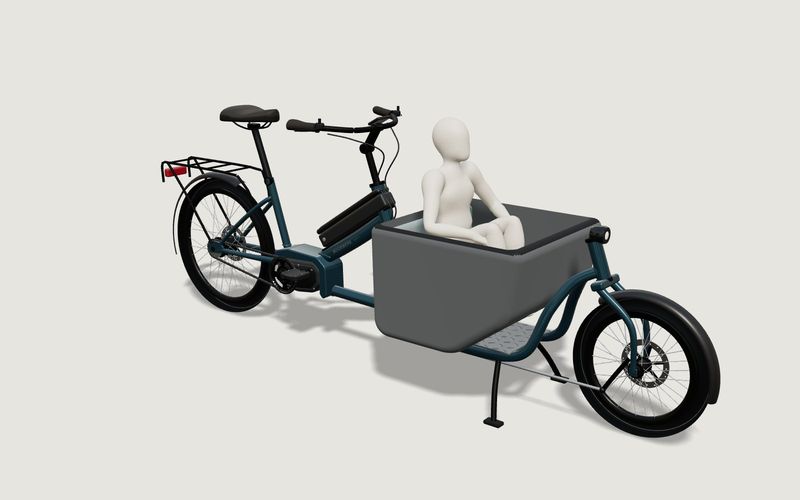
Own demo · fictional product
Front-loader cargo e-bike
A front-loader e-bike: pick the use case first, then rider size, battery and box – with range, rules and footprint live in 3D.
Read next
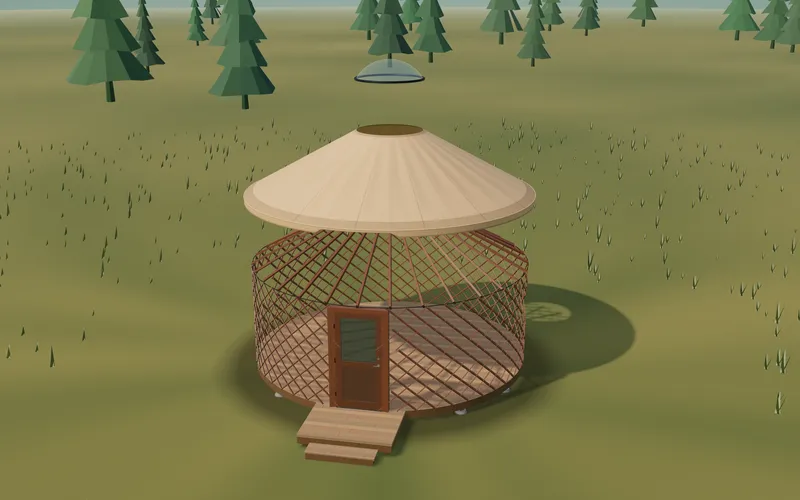
Yurt configurator rules: placing doors and windows on the lattice wall
The rules a yurt configurator needs: wall length per diameter, the space each opening takes, a second door opposite, collision-free dragging, options.
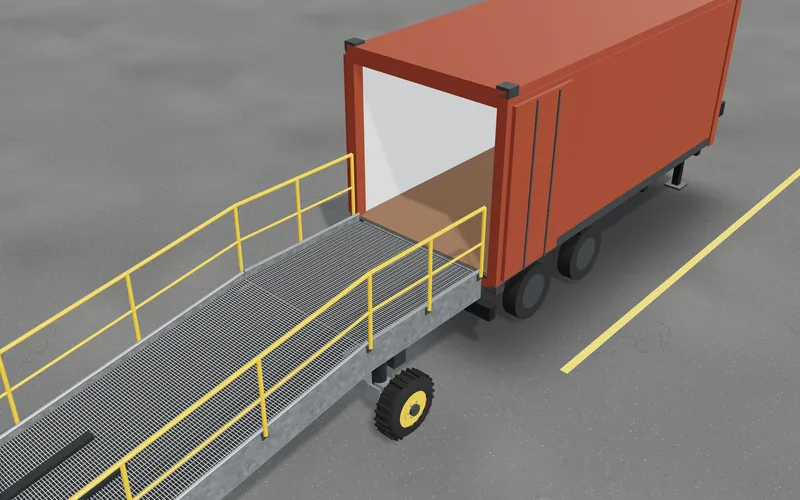
Yard ramp slope, bed height and checks as configurator rules
How a yard ramp configurator calculates slope from length, level-off and bed height, and checks lift range, door opening and forklift clearance.
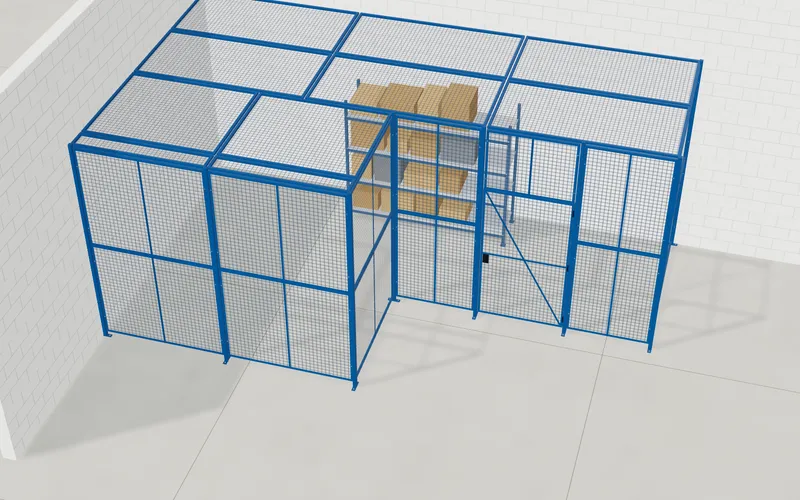
Wire partition planner rules: outline, doors and parts
The rules a wire partition planner needs: outline on a grid, wall lengths, heights, doors and service windows, ceiling and lock, layout checks and parts.