Disc harrow configurator: working width, roller and transport position as rules
The rules a configurator for disc harrows and other implements needs: working width, folding, roller, tractor, transport dimensions and dealer data.
Short answer: a configurator for disc harrows and similar implements needs three sets of rules. Series and width: which working widths exist, and which of them fold? Equipment: which rollers and options fit which width? Tractor and road: which tractor fits, and what transport dimensions result? Our demo shows the visible part of this with example values; the rules themselves are described here as a proposal for a project.

What does the demo show, and what not?
The folding short-disc harrow is an example configurator by Modelwright with a fictional product and example values. Six functions are live: working width 4, 5 or 6 m; roller as packer roller, bar roller or none; working and transport position with folding; the working run; show the tractor; show dimensions [1]. Rules that block combinations, prices and an enquiry are not built in. The demo is a "light" configurator: it shows variants and motion. Everything in the sections below that goes beyond these six points is a proposal for a configurator built on your data.
Which parameters does an implement have?
| Parameter | In the demo | Possible dependency in your project |
|---|---|---|
| Working width | 4, 5 or 6 m | Rigid or folding, frame, number of discs, weight |
| Roller | Packer, bar, none | Availability per width, weight, usage note |
| Position | Working or transport | Transport width and height |
| Tractor | Show or hide | Power class, hitch category from your data |
| Options | Not in the demo | Hydraulics, lighting, seeder, accessories |
The middle column describes the demo [1]. The right-hand column is a proposal; which dependencies apply is decided by the maker.
How do working width and folding relate?
For mounted implements the working width is the first decision, and it pulls others with it. Above a certain width an implement is folded for the road; which width that is, and how it folds, is down to your design. For the configurator we propose writing it as a rule with three parts: condition (width), consequence (frame variant, folding mechanism, transport dimensions) and message for the user.
In the demo the folding motion is the visible part of that rule: the user switches between working and transport position and watches the machine fold. In sales this moment is valuable because it answers a question that otherwise needs a demonstration.
How is the roller handled?
The roller is equipment that has to match the width. In a configurator built on your data we would propose:
- Per width, offer only the rollers you supply.
- Show a short usage note per roller from your own advice, without agronomic promises.
- Update weight and, where relevant, tractor class with the roller, if you release those values.
"No roller" is a separate option in the demo. Whether it makes sense in your range is your decision. In the demo every width can be combined with every roller; blocking combinations by your rules is set up in a project.
Tractor and transport dimensions: what belongs in the configurator?
In the demo the tractor can be shown and dimensions can be displayed [1]. In the model this includes, for example, the working width and, in transport position, transport width and height. They are example values for a fictional implement.
In a real configurator two things need settling:
- Tractor: you supply as a table which power or hitch class a variant requires. The configurator can then show a note or block the variant. It does not replace a technical check of the combination.
- Road: the configurator can show transport dimensions from your data. Whether a variant may go on the road without further conditions is a legal question the maker answers and is responsible for. We would not have the configurator declare anything permissible; it shows your data and points to your advice.
What does the working run add?
The working run shows the implement at work [1]: the user sees discs and roller in action instead of imagining it. For a configurator that is not a rules question but an explanation. We recommend tying the animation to the selected variant, so the width or roller you chose is the one you see working.
What data does dealer sales need?
If your machines are sold through dealers, we propose settling early, for a configurator that includes them:
- whether prices appear and, if so, which (list price, none, dealer login);
- where an enquiry goes: to the maker, the responsible dealer or both;
- what the enquiry contains: series, width, roller, options, location, contact.
None of this is in the demo. Routing enquiries to dealers by postcode needs a maintained list of territories and dealers; that list needs its own upkeep and should be settled before the project. How enquiries for machinery are structured in general is covered in enquiries from machinery and loading equipment configurators.
What data you supply
For a configurator with your range we need: series with working widths and folding variants, rollers and options per width, your data on tractor class and transport dimensions, images or CAD data of the assemblies and, if wanted, prices and the dealer list. How CAD data is prepared for the web is described in CAD to web 3D configurator.
Try it

Example configurator · fictional product
Folding short-disc harrow
A folding short-disc harrow: working width 4, 5 or 6 m, rear roller, working and transport position, with tractor and dimensions – and a working run.
The demo runs in an older control shell; we recommend a desktop. Who benefits from such a configurator is covered in agricultural machinery configurator. The project is described on 3D configurator development.
Frequently asked questions
Does the demo block invalid combinations?
No. All widths can be combined with all rollers. Blocking by your rules is set up in a project.
Can the configurator show weight and power requirement?
Yes, if you supply the values per variant. It displays them; it cannot calculate or guarantee them.
Does this apply to other implements?
Yes. Cultivators, power harrows and seed drills follow similar patterns: width, folding, equipment, tractor, transport.
Sources
- Modelwright library: folding short-disc harrow, "Live in this demo" list, read 14 November 2026: modelwright.de/en/library/disc-harrow-configurator/
Read next
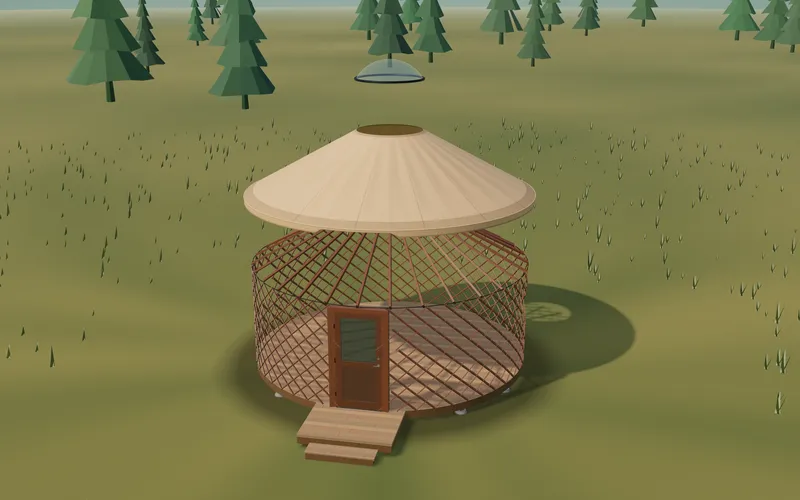
Yurt configurator rules: placing doors and windows on the lattice wall
The rules a yurt configurator needs: wall length per diameter, the space each opening takes, a second door opposite, collision-free dragging, options.
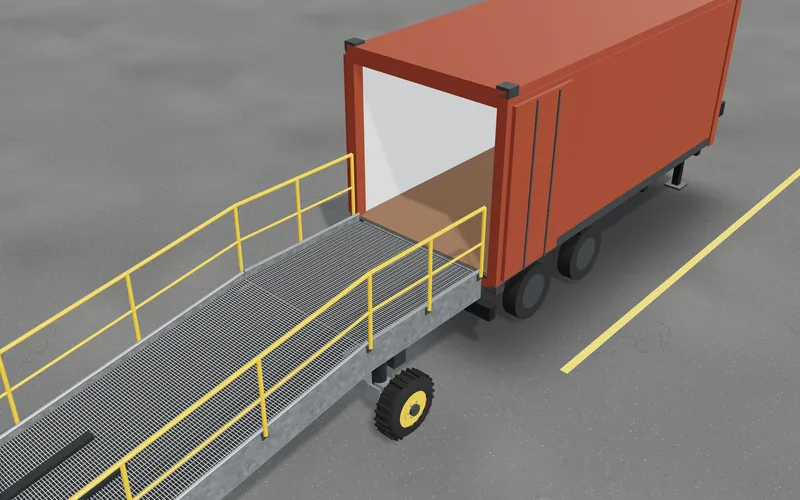
Yard ramp slope, bed height and checks as configurator rules
How a yard ramp configurator calculates slope from length, level-off and bed height, and checks lift range, door opening and forklift clearance.
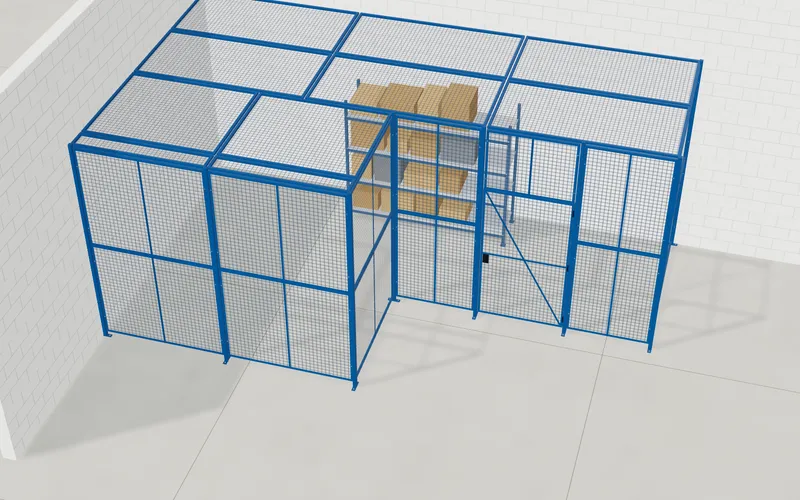
Wire partition planner rules: outline, doors and parts
The rules a wire partition planner needs: outline on a grid, wall lengths, heights, doors and service windows, ceiling and lock, layout checks and parts.